Faith and monasteries
Serbian Orthodoxy and the Creed
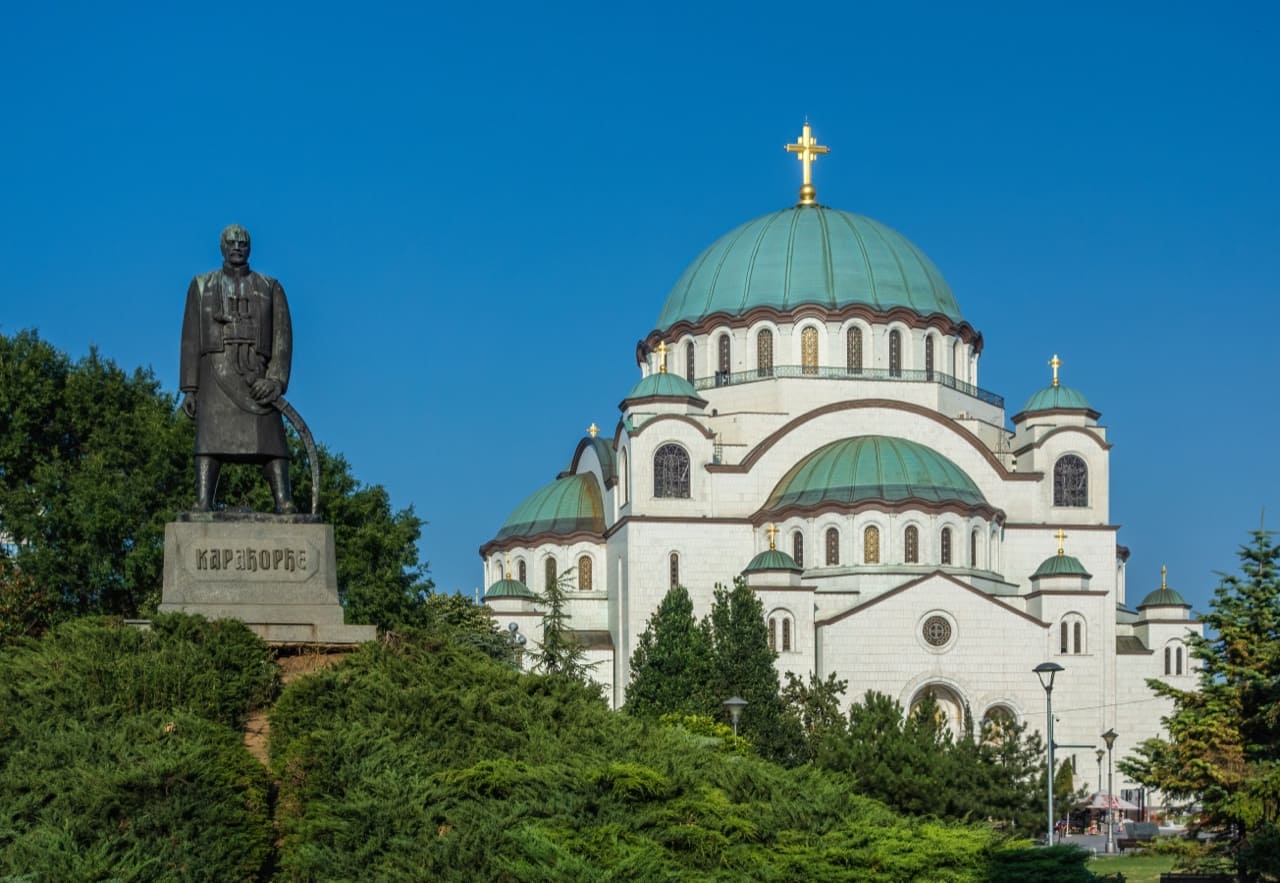
The Serbian Orthodox Church belongs to the Eastern Orthodox tradition. The Creed sums up core beliefs and is recited during the Divine Liturgy. Monasteries are communities of prayer as well as places where paintings, manuscripts and religious objects are preserved. If you visit during worship, keep your voice low and ask before taking photographs.
Religious diversity in Serbia
The census records Orthodox, Catholic, Muslim and other religious affiliations. Religion and ethnicity are separate census questions. In Novi Pazar and the Sandžak, mosques are part of the area’s heritage. Catholic churches and Jewish synagogues are also part of the history of cities such as Subotica and Novi Sad.
Monasteries of Raška and the Ibar Valley
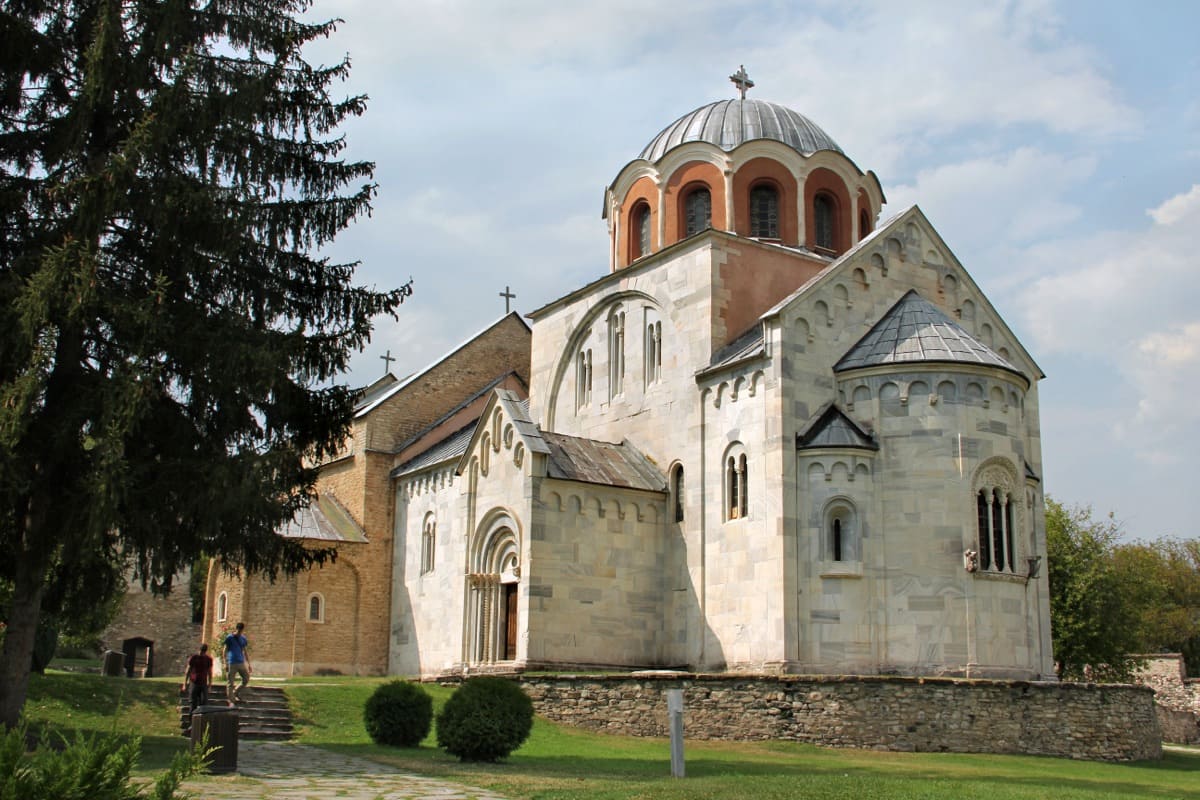
Stefan Nemanja founded Studenica in the late twelfth century. Its white marble churches preserve medieval wall paintings. Žiča is closely associated with the early Serbian archbishopric. Near Novi Pazar, Sopoćani and Đurđevi Stupovi belong to the UNESCO site Stari Ras and Sopoćani. In Mileševa near Prijepolje, look for the White Angel in the fresco of the women at Christ’s tomb.
Morava, Fruška Gora and Pčinja
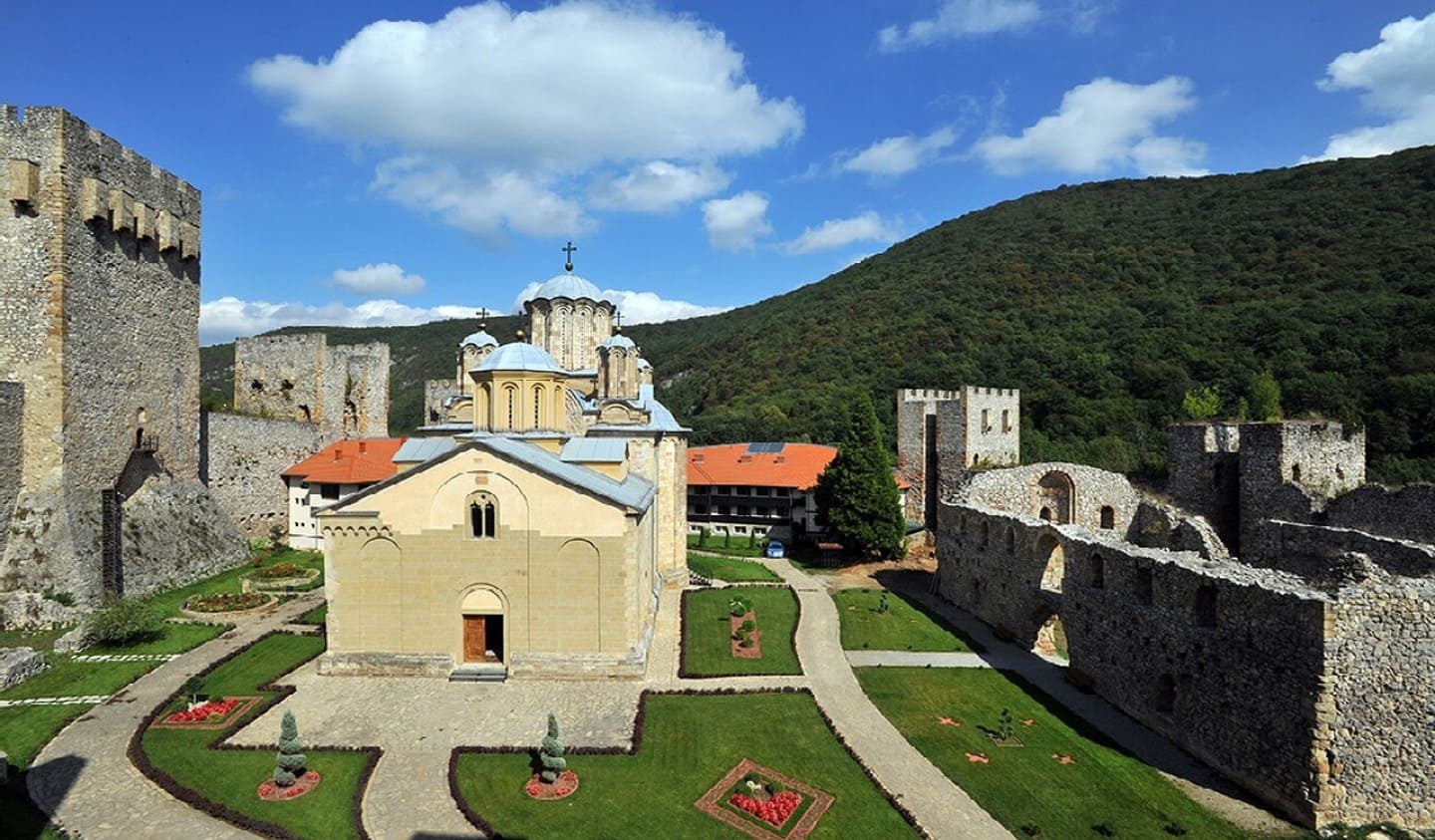
Ravanica, Ljubostinja and Manasija show different sides of late medieval church building. The fortified walls of Manasija are visible before you enter. Krušedol and Novo Hopovo can be visited in the Fruška Gora hills. Farther south, Prohor Pčinjski stands in the Pčinja valley near the border with North Macedonia.
Medieval monuments in Kosovo
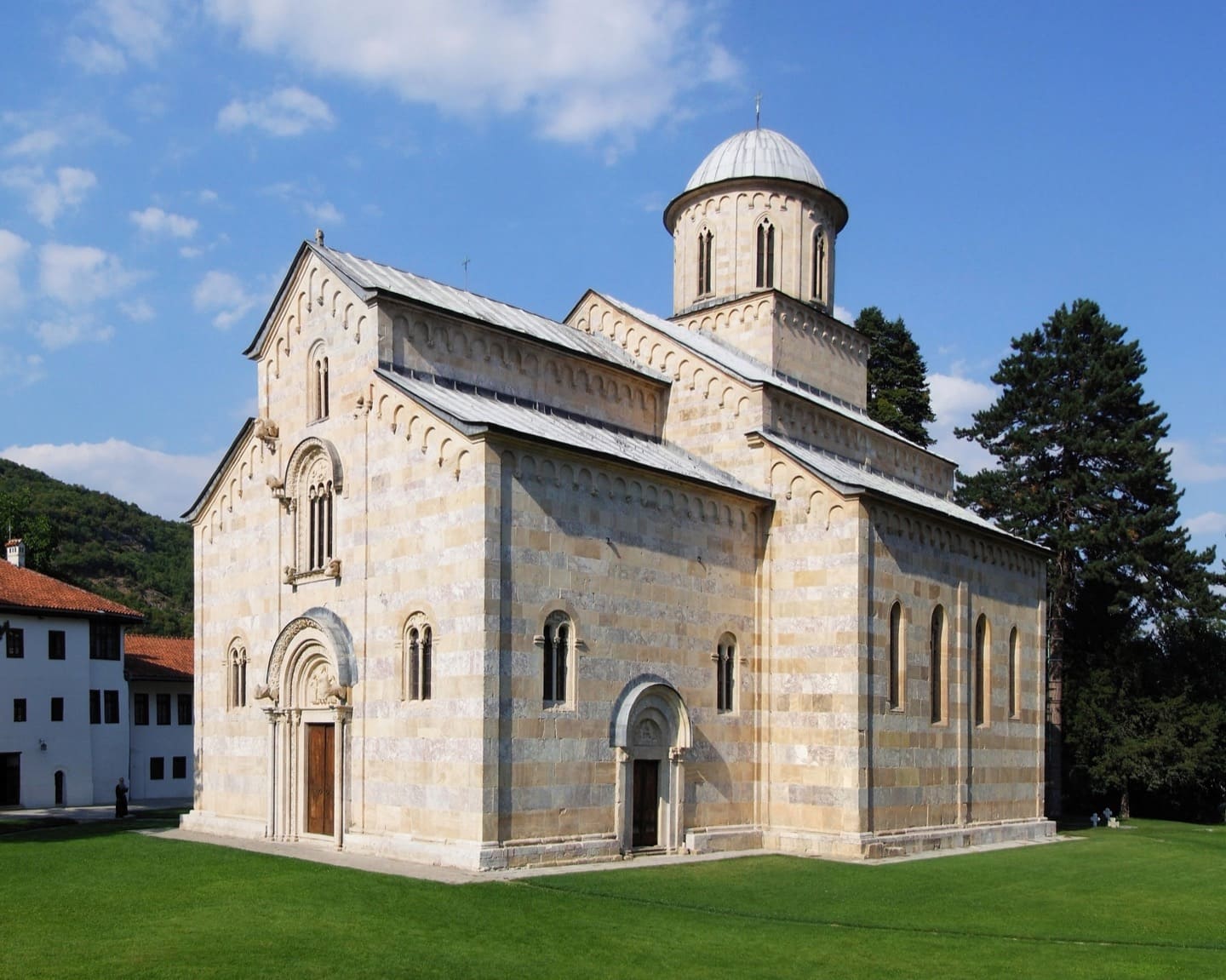
The UNESCO ensemble includes Visoki Dečani, Gračanica, the Patriarchate of Peć and the Church of the Virgin of Ljeviša in Prizren. Together their architecture and paintings trace several centuries of medieval Orthodox art. Confirm access directly with the site before planning a visit.
Monasteries beyond Serbia
Hilandar is on Mount Athos in Greece. In Montenegro, the Cetinje Monastery is known for its relics, while Ostrog is built against a rock face. Krupa lies in Croatia, and Moštanica and Vozuća are in Bosnia and Herzegovina. These links lead to institutions that describe the sites or provide visitor information.